


You know that moment: you walk in, everything looks clean… and then the air hits you with a “wet dog + old couch” punch. As a pet owner (and a lifelong student of what makes homes smell the way they smell), I’ll tell you the truth: most odor “solutions” don’t solve anything. They decorate the problem with perfume.
A true pet odor remover—especially an enzyme spray—goes after the odor at the source. That’s why The Modest Co.’s Odor Killa lineup has become my go-to recommendation when people want a home that smells premium, not “covered up.”
Why pet odors “stick” (even after you clean)
Pet odor isn’t just “a smell in the air.” It’s often residue—tiny organic compounds from saliva, skin oils, dander, litter box dust, and the occasional accident—binding to fibers and padding. Once those compounds settle into porous surfaces, they can hang around and re-activate when conditions change.
Heat, humidity, and friction (hello, zoomies on the rug) can make old odor molecules volatilize again—so you get that “it came back” effect. If that sounds familiar, you’ll love this deeper read: Why Pet Odors Come Back After Cleaning.
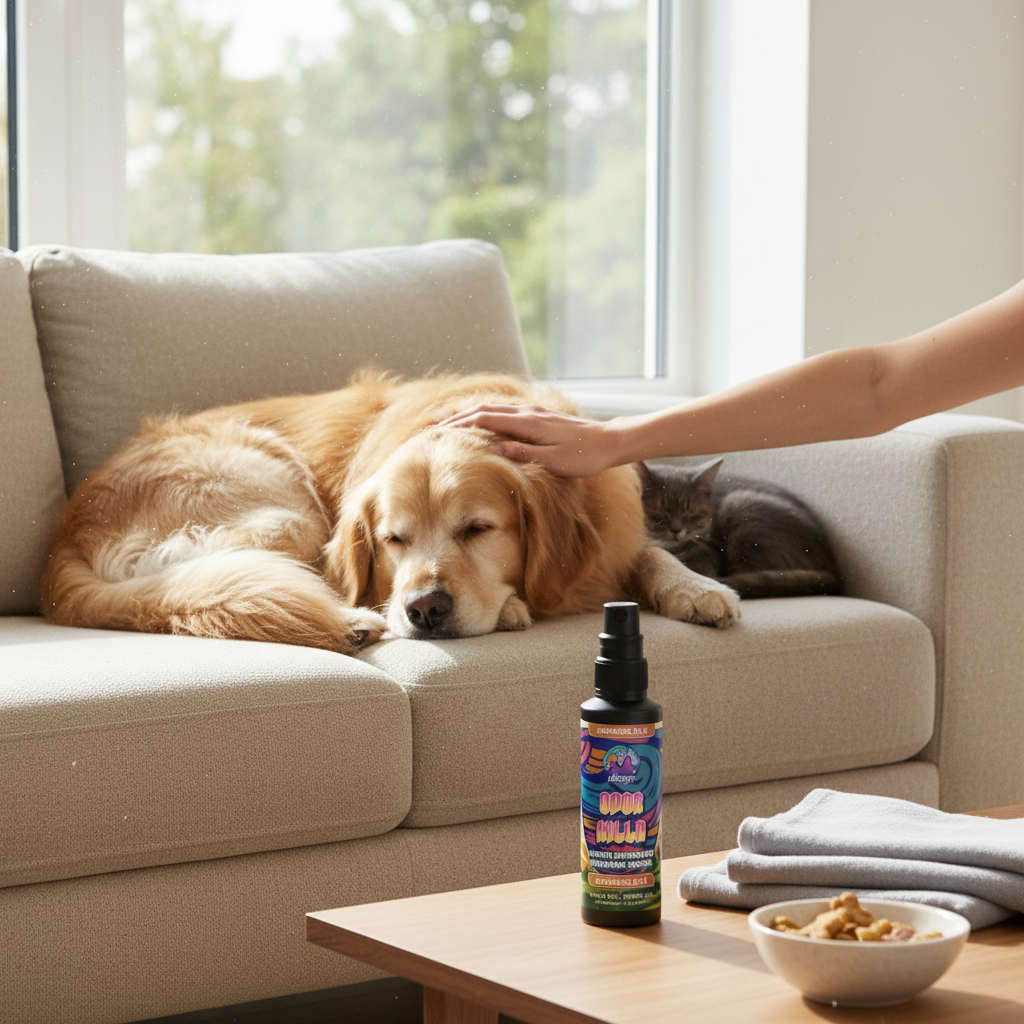
The science behind enzyme spray pet odor removers
Here’s the game-changing difference: traditional air fresheners primarily add fragrance. Enzyme-based odor eliminators are designed to break down odor-causing organic material. Think of it as molecular-level cleanup—less “mask,” more “handle the mess.”
Enzymes are proteins that help speed up the breakdown of specific compounds. In odor control, that matters because many stubborn pet smells come from organic residues that cling to fabric and foam.
For a detailed explainer (with the nerdy bits I personally adore), read: How Do Enzymatic Odor Eliminators Work at the Molecular Level?
Stat check: pet ownership is huge—so odor control is not a “niche” problem
Pet odor management is a mainstream household issue because pet ownership is mainstream. The American Pet Products Association (APPA) reports that pet ownership is widespread in the U.S.—which means millions of homes are managing the same odor hotspots: couches, carpets, pet beds, and entryways.
Translation: if you’ve been feeling like you’re the only person fighting “mystery dog smell,” you are very much not alone.
Where pet odor remover sprays win (and where most methods fail)
Let’s lovingly roast the usual suspects:
- “Just vacuum more.” Helpful for hair and dander, but it doesn’t fully remove odor residue trapped in upholstery padding.
- Baking soda. Great as a supporting actor, but it’s not always enough for embedded, recurring odor sources.
- Heavy fragrance sprays. They can make your home smell like “lavender… plus dog.” Not the goal.
Enzyme sprays shine because they’re built for the surfaces where odor lives: porous fabrics, carpets, rugs, pet beds, and the sneaky underlayers you can’t easily launder.
Want to understand why vacuuming alone often disappoints? This companion piece lays it out: Why Vacuuming Alone Doesn’t Remove Pet Smells.
How to choose the best odor eliminator spray for your home
If you’re shopping for the best odor eliminator, look for two things: (1) it targets odors at the source, and (2) you actually want the space to smell like what comes after.
My Modest Co. picks, based on the vibe you want:
- Odor Killa Spray - Arctic Breeze: crisp, clean, “windows open” energy—perfect for entryways and living rooms.
- Odor Killa Spray - Cashmere Silk: soft luxury that reads “expensive home,” not “pet household.”
- Odor Killa Spray - Obsidian Sky: moodier, deeper, great for bedrooms, closets, and upholstery that holds onto funk.
- Odor Killa Spray - Lavender Dreams: gentle, calming atmosphere—especially nice near pet bedding and nighttime routines.
Mini case study: the “clean house, smelly sofa” rescue
One of the most common situations I hear: “My floors are spotless, my dog is bathed, but the couch still smells.” Usually that couch is a sponge—skin oils + dander + micro-spills + humidity.
Scenario: A two-dog household, one fabric sectional, recurring “wet dog” odor after rainy walks. Plan: Vacuum thoroughly, then mist problem zones (armrests, seat seams, and the dog’s favorite spot) with Odor Killa Spray - Cashmere Silk, allowing adequate dwell time before re-assessing. Result: Noticeably reduced re-release odor within a week, and a “this smells like a boutique hotel” finish instead of a perfumed cover-up.
If rainy walks are your personal villain, read: Pet Odors After Rainy Walks.
Expert quote (what matters—and what to avoid)
“The most effective odor-control routines focus on removing or breaking down the organic residue that feeds recurring smells—especially in porous materials like upholstery and carpet padding.”
— Dr. Camille Soto, environmental science background & home-fragrance product educator
Notice what I did not promise: no medical claims, no “kills bacteria,” no “permanent 100% removal.” Real odor control is about consistent source reduction and smart maintenance—especially in pet homes.
How to use a pet odor remover spray (so it actually works)
- Find the source. Sniff-test pet beds, couch corners, rugs, and the “favorite nap zone.”
- Pre-clean when needed. Remove hair/dander first so the spray can reach the residue.
- Spot test. Always test a hidden area for colorfastness on fabrics.
- Apply and let it dwell. A quick spritz-and-wipe is often not enough for embedded odor.
- Repeat for hotspots. Old odors may need multiple treatments.
For fabric-specific odor science (the “why it bonds” story), this one is gold: How Pet Oils Bond to Sofas.
Make it a vibe: layering spray + candle for premium home fragrance
If you want your home to smell intentionally styled (not just “not bad”), layer odor elimination with a candle that elevates the whole room.
- Pair Odor Killa Spray - Obsidian Sky with Odor Killing Candle - Big Foot for a bold, grounded finish.
- Pair Odor Killa Spray - Arctic Breeze with Odor Killing Candle - Looped when you want bright, clean, and upbeat.
Candle-curious? Here’s the science-backed explainer: Do Odor-Eliminating Candles Really Work? The Science Behind the Flame.
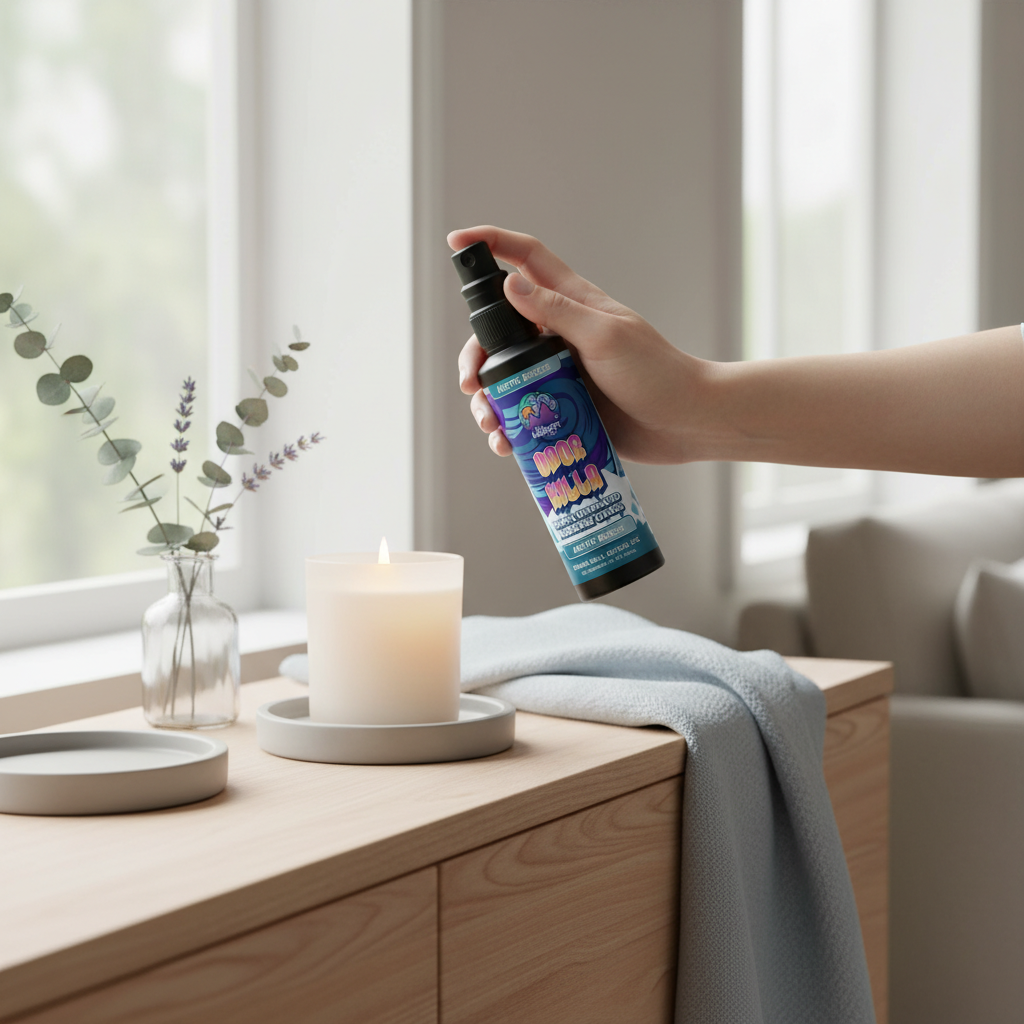
FAQ: Pet Odor Remover Sprays
How do pet odor remover sprays differ from regular air fresheners?
Air fresheners mainly add fragrance to cover odors. Pet odor remover sprays—especially enzyme-based formulas—are designed to break down odor-causing residues so the smell doesn’t keep reappearing.
Can I use The Modest Co. Odor Killa Sprays on couches, rugs, and pet beds?
In most pet-home routines, yes—these sprays are commonly used on fabrics, carpets, and hard surfaces. Always spot-test an inconspicuous area first to confirm colorfastness and finish compatibility.
Are enzyme sprays a good option if I’m also dealing with smoke odors?
They can help as part of a broader odor-control routine because many household odors share residue and re-release behavior in fabrics. For smoke-specific guidance, focus on source control, ventilation, and consistent treatment of soft surfaces.
What’s the best odor eliminator routine for multi-pet homes?
Prioritize hotspots (pet beds, couches, rugs, litter areas), treat consistently, and manage humidity. Use an enzyme spray for source reduction, then maintain with regular laundering and airflow.
Conclusion: stop masking—start eliminating
A great pet odor remover spray changes the whole emotional temperature of your home. You don’t have to choose between loving your animals and loving how your space smells. You just need tools that fight odors where they live.
If you’re ready to upgrade your routine, start with Odor Killa Spray - Cashmere Silk (luxury, everyday-safe energy) or Odor Killa Spray - Arctic Breeze (fresh, crisp reset). Then explore the full lineup at The Modest Co..