


Pet people are my people. I also know the moment you walk in the door and your nose goes, “Oh. We live with animals.” The “wet dog” after a rainy walk, the invisible funk clinging to the sofa, the mystery corner that smells fine until the humidity spikes—pet odor is rarely a single smell. It’s a cocktail of oils, proteins, and lingering residues that love to bond with fabric and hang around like they pay rent. In this myth-busting guide, I’ll break down what actually works (enzyme-based odor elimination), what mostly masks, and how to build a simple routine using Modest & Co. odor-fighting sprays and candles.
Myth #1: “Baking soda absorbs all pet odors permanently.”
Baking soda is the classic “sprinkle-and-pray” move. And to be fair, it can reduce odor perception for a short window—especially on mild, surface-level smells. The myth is the word permanently.
A lot of pet odor isn’t just floating in the air—it’s bonded to fibers as oily residues (skin oils, dander oils) or protein-based compounds (think dried urine remnants). Absorbents may help for a bit, but they don’t consistently dismantle the compounds that keep re-releasing odor—especially when humidity rises or the fabric warms up.
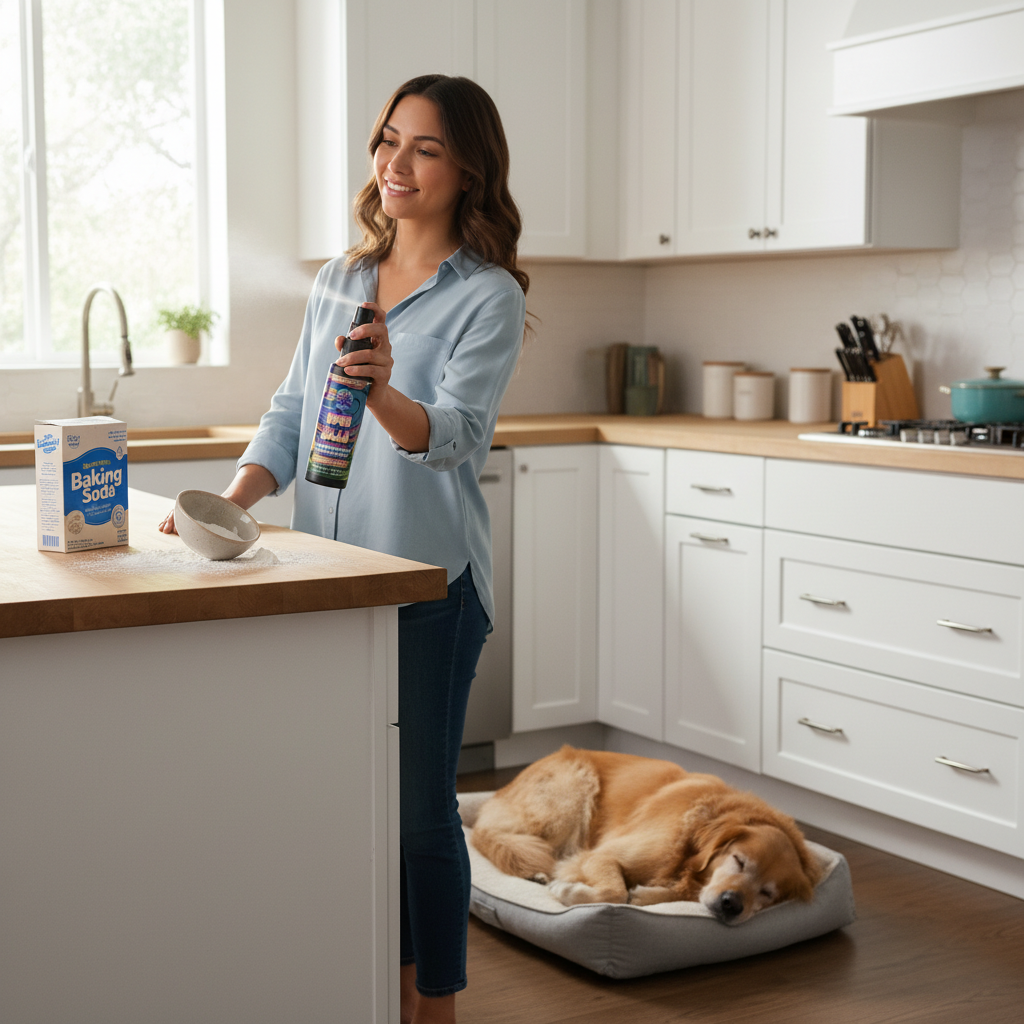
What tends to work better for “it keeps coming back” smells is an enzyme-based approach designed for odor elimination (not just scent coverage). If your couch, rugs, or pet bedding are the battlefield, start with Odor Killa Spray - Cashmere Silk for a luxe, soft finish that doesn’t scream “cleaner aisle.”
Stat to know
Enzymes are widely used in cleaning because they catalyze the breakdown of certain organic residues. For a big-picture look at enzyme applications in cleaning and environmental performance, see: Journal of Cleaner Production (ScienceDirect). (Note: effectiveness varies by formula, surface type, and how long you let it work—contact time matters.)
Myth #2: “Air fresheners eliminate pet smells for good.”
Most plug-ins and conventional air fresheners are fragrance-forward. Translation: they’re excellent at making your home smell like “Ocean Breeze” while the actual pet funk continues its quiet little side quest underneath.
If you want a home that smells intentionally good and feels genuinely reset, look for products positioned for odor neutralization—not just masking. This is where Modest & Co. leans in: odor elimination paired with a premium scent experience.
For a daily “I want my living room to behave” ritual, I love pairing an enzyme spray with a candle: spritz, let it settle, then light something that makes the whole space feel elevated. Try Odor Killing Candle - Indica Girl when you want the vibe to go calm, cozy, and confidently put-together.
“Masking agents provide temporary relief, but enzymatic odor eliminators target the root cause by breaking down odor-causing compounds.”
— Referenced perspective from veterinary commentary on pet odor control: Healthy Pets (Mercola), “Pet Odor Eliminators”
If you want a deeper nerdy dive into how odor neutralization works (and why “covering it up” fails), read: The Science Behind Odor Neutralization: Why Modest & Co. Works When Others Don’t.
Myth #3: “Vacuuming alone removes embedded pet odors.”
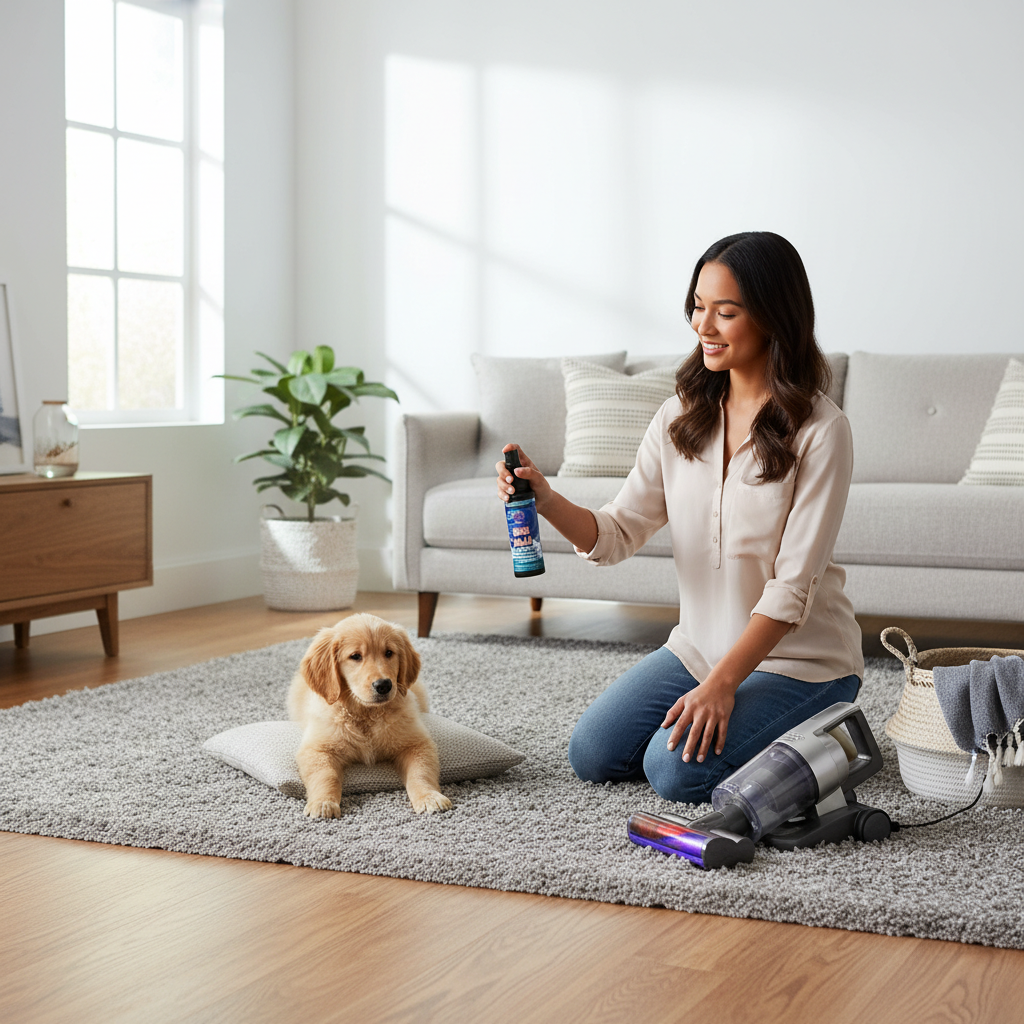
Vacuuming is a must. It removes hair, dander, and debris that can carry odor. But vacuuming alone doesn’t reliably remove the sticky residues that cling to upholstery and carpet fibers—especially the oils that act like odor magnets.
The fix is a two-step: mechanical removal + targeted spray. Spray first, give it time to work, then vacuum once the area is dry (or as directed by the product label). For a crisp, clean finish that feels like opening the windows on a perfect day, reach for Odor Killa Spray - Arctic Breeze.
Real-world indicator
Odors trapped in soft surfaces can persist without proper treatment. For research exploring indoor air and how pollutants/odors interact with indoor environments, see: Indoor Air (Wiley Online Library).
Related read (highly recommended if you’ve ever said “I vacuumed yesterday—why does it still smell?”): Why Vacuuming Alone Doesn’t Remove Pet Smells.
Myth #4: “Vinegar is the best pet odor remover.”
Vinegar is the internet’s favorite DIY hero. It can help in certain situations, especially as a mild deodorizing step. But it’s not a universal best odor eliminator—particularly for complex pet odors rooted in oils and proteins. And yes, vinegar can leave its own lingering “salad dressing” signature if you overdo it.
If you want a premium result (odor neutralization + a scent you actually want to live with), go enzyme-first and finish with a candle that changes the whole mood of the room. For a deeper, more grounded profile, I’d pair odor elimination with Odor Killing Candle - Big Foot.
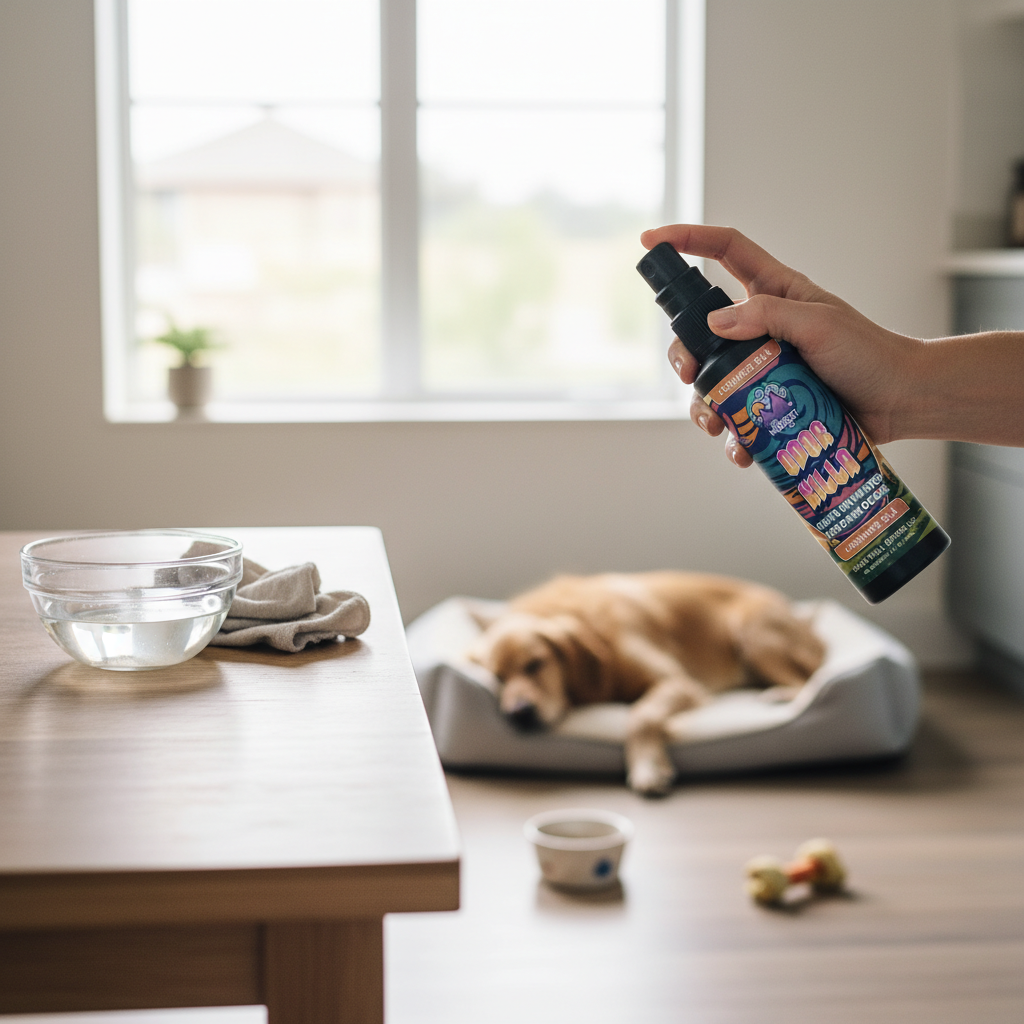
Case study: Small-space “pet couch funk” reset (real customer scenario)
One of our Modest & Co. customers in a 900 sq. ft. apartment (two dogs, one fabric sectional, rainy-season walks) described a recurring “wet fur + couch” smell that returned within 24–48 hours after vacuuming and using a standard air freshener.
Protocol used (7 days): vacuumed the sectional, lightly misted the cushions and arms with Odor Killa Spray - Obsidian Sky (letting it fully dry), repeated every other day for one week, and burned an odor-killing candle for 60–90 minutes each evening.
Outcome (self-reported): noticeable reduction in recurring odor by day 3, and by day 7 the “wet dog rebound” after walks was significantly less persistent, especially on the couch arms where the dogs slept. (Important note: results vary by fabric type, severity, and whether urine contamination is present; always follow label directions and test on an inconspicuous area.)
Myth #5: “Pet odors only happen in dirty homes.”
I need you to release this shame immediately. Pet odors are chemistry, not morality. Even immaculate homes can smell like pets because odor compounds travel through HVAC airflow, re-release when fabrics warm up, and cling to porous materials.
If you want a simple maintenance routine: treat the hotspots (beds, couches, rugs, litter areas) with an enzyme spray, then use a candle as your “room reset.” For a playful, bright finish that makes the room feel freshly styled, try Odor Killing Candle - Fluffy Loops.
Two internal reads that connect the dots: Why “Clean” Homes Can Still Smell Like Pets and How Pet Oils Bond to Sofas.
What really works: A simple 3-step pet odor plan
- Find the source. Sniff-test cushions, rugs, pet beds, and corners—odor is usually concentrated in soft surfaces.
- Use an enzyme spray with proper contact time. Start with Odor Killa Spray - Lavender Dreams for a softer, bedtime-friendly vibe, or rotate with Arctic Breeze/Cashmere Silk depending on the room.
- Finish with an odor-killing candle to reset the room. If you want a brighter, daytime mood, go Odor Killing Candle - Sativa Diva.
FAQ
What’s the difference between masking and eliminating pet odors?
Masking covers odor with fragrance temporarily. Eliminating targets odor-causing residues/compounds so the smell is less likely to return—often using enzyme-based formulas designed for odor neutralization.
Are enzyme sprays safe to use around pets?
When used as directed and allowed to dry, enzyme-based odor eliminators are commonly used in pet households. Always follow the product label directions, ventilate as needed, and keep pets away from freshly treated damp areas.
How do I choose the best odor eliminator for my home?
Prioritize an odor eliminator designed to neutralize odors (not only fragrance). For soft surfaces like couches and rugs, choose an enzyme spray. For ongoing room reset and premium scent payoff, add an odor-killing candle.
Do odor-eliminating candles really help with pet odors?
They can help as part of a broader routine—especially for lingering ambient odor in a room. For best results, treat odor hotspots first (beds, upholstery, rugs) with an enzyme spray, then use a candle to reset the overall space.
Conclusion: Stop fighting pet odor myths—start using a real strategy
Pet odor isn’t a personal failure. It’s chemistry plus cozy fabrics plus animals living their best lives. The win comes from targeting odor at the source (enzyme spray), then keeping your space in that “freshly reset” zone (odor-killing candle).
If you’re ready to build your odor-killing arsenal, start here: Modest & Co..
About the Author
Dr. Camille Soto is a chemistry-trained writer focused on odor science, home fragrance, and the real-life mechanics of why “clean” spaces can still smell. She’s obsessed with practical routines, premium scent design, and helping pet owners reclaim their air without pretending their dogs will stop being dogs.